

Saving brains and lives
Prospective parents, particularly Ashkenazi Jews, should know about Familial Hyperinsulinism
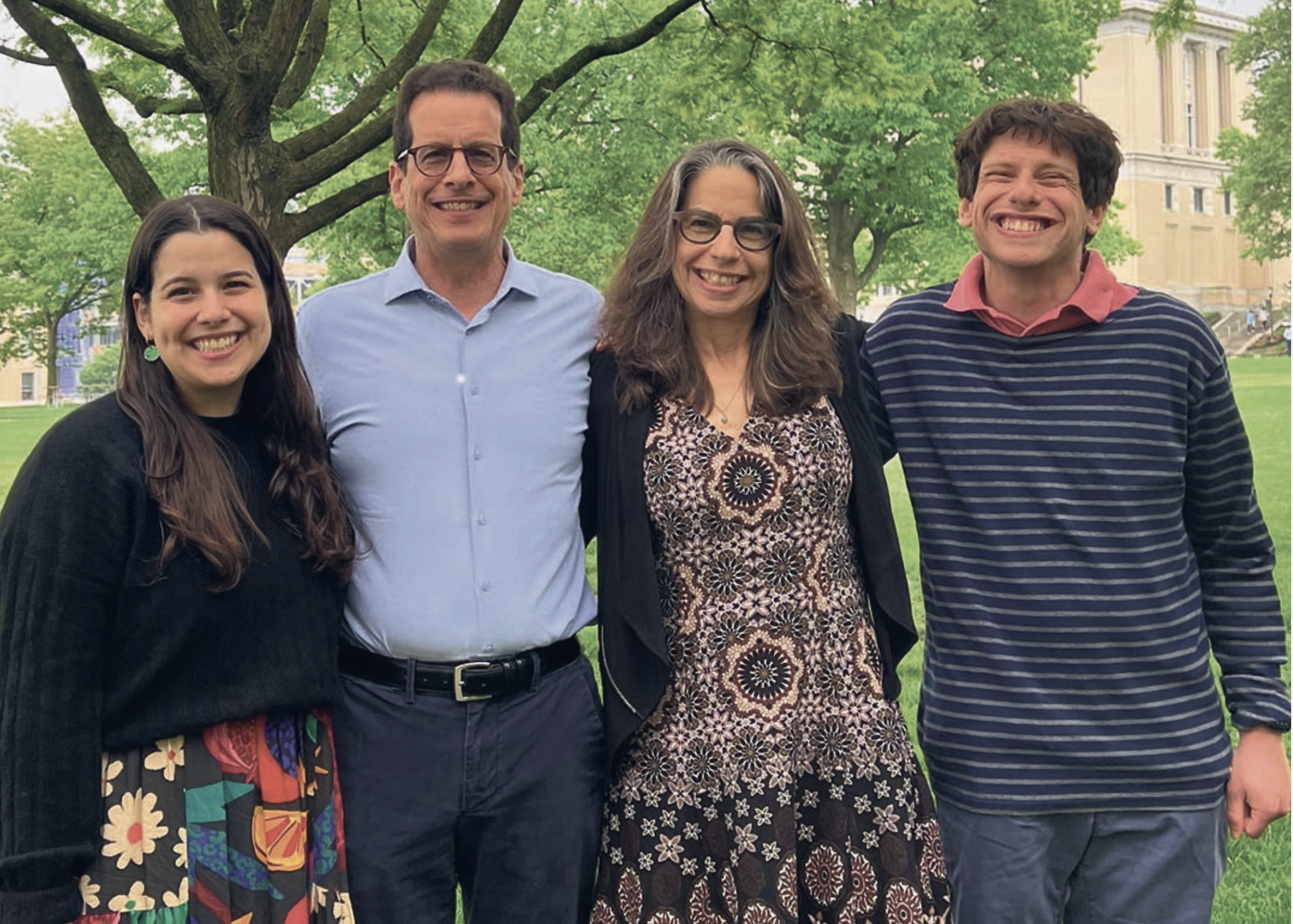
Ben Raskin Gross was born in June 1996 after a routine delivery without stress; he was a normal-size baby, with no medical complications at birth.
Still, “within an hour I had a sense that something was very off,” his mother, Julie Raskin of Glen Ridge recalled. Since Ben was her second child, she was concerned about his feeding behavior, which was unlike her first baby’s. “He was voraciously nursing,” she said. “It seemed like he was starving. I asked for some attention and was told he was a normal baby. But he went to sleep and didn’t wake up [to nurse]. He slept all night. They sent us home.”
Julie and her husband, Mark Gross, continued to be concerned, so they brought Ben to a different pediatrician at St. Barnabas Medical Center. “His blood glucose was zero,” Ms. Raskin said. In the hospital, Ben was given a dextrose (sugar) drip to bring his blood sugar up. “On the third day they told us he had a [urinary tract infection] and would be fine, but the blood glucose still didn’t come up. It took a week to figure it out,” Ms. Raskin said. “The pediatric endocrinologist told us it was CHI.” CHI is Chronic Hyperinsulinism, which also is known, as it will be here, as hyperinsulinism, or HI.
HI occurs when the pancreas makes too much insulin, directing the cells to move blood sugar into storage in the body tissues, the muscle and liver. When blood sugar drops too low, it limits the sugar available for the brain and other vital organs. Because of Ben’s low blood sugar, in his first three days of life he suffered brain injury, along with complications that led to affected vision, problems with fine motor coordination, learning disabilities, and epilepsy.
After his diagnosis Ben was transferred to CHOP, the Children’s Hospital of Philadelphia, considered a world expert on hyperinsulinism. Doctors at CHOP devised a treatment strategy to address Ben’s condition.
Ben and his parents lived a nightmare in his first days, weeks, months, and years, dealing with the consequences of high insulin and low blood sugar. Sugar gets a bad rap with regard to children and adults who consume too much of it. But glucose, the simplest orm of blood sugar, is absolutely necessary to power the cells; the most vulnerable cells in the brain are the first to suffer severe consequences from lack of sugar — permanent brain damage. Ben’s lifelong disabilities are due to those first few days, when his low blood sugar went undetected.
“Severe HI is treatable if caught in time,” said Pamela Weber-Leaf, the development director of the organization called Congenital Hyperinsulinism International (abbreviated to CHI). The organization is named for the disease and the fact that hyperinsulinism can occur in people around the world. The immediate treatment for too much insulin can be simple — supplement the sugar in the baby’s diet. “The infant gets sugar water,” she said. “Julie Raskin’s son was disabled because it wasn’t caught. These things do not have to happen.”
Hyperinsulinism is the result of an inherited genetic variant, a recessive gene. Humans have two copies of most of the genes that drive body functions. Carriers have one copy of a defective gene and no symptoms of the genetic defect. But when both parents carry that defective gene they can pass it on to their child, and a child who inherits two copies of it suffers serious consequences of the genetic disorder. The HI genes that cause the disorder can occur in many diverse populations worldwide, but they occur in higher incidence in Ashkenazi Jews.
“We did test with the Jewish genetic panel,” Ms. Raskin said, referring to screening done by Jewish couples. “It wasn’t on the panel back then.” She added that later tests revealed that Ben has the ABCC8 recessive allele for the hyperinsulinism genetic disorder. “Now ABCC8 and KCNJ11 are on the panel,” she said. “They are the most common causes [of HI] within the Ashkenazi Jewish community.”
The bad news for the Jewish community is that according to Israeli researchers, 1 in 52 Ashkenazi Jews carry ABCC8 or KCNJ11. The good news is that there is a test to determine carrier status, and it is now part of the panel of tests for Ashkenazi Jews made available by JScreen.
JScreen is a genetic testing service dedicated to screening Jewish couples before they have children. A generation ago, there were only seven genetic tests available to identify carriers of the most common of the serious Jewish genetic disorders. Ten years ago, the panel expanded to include 100 diseases. In 2017, when the American College of Obstetricians and Gynecologists recommended that physicians discuss expanded carrier screening with their patients, JScreen expanded its testing panel to more than 200 disease genes.
JScreen is based in Emory University School of Medicine’s department of human genetics. The organization provides convenient and affordable testing, “expanded carrier screening,” which now tests for more than 260 diseases, including the earlier tests for Canavan, familial dysautonomia, and cystic fibrosis. The newer tests look for HI genes, including “familial hyperinsulinism, ABCC8, and KCNJ11.”
What does that mean for a couple who would like to plan a family? For a reasonable fee — $49 per person — JScreen provides an at-home saliva-based testing kit for 260-plus diseases of particular concern among Ashkenazi Jews. The service includes physician review to order the tests, access to genetic counseling (a critical part of genetic testing), and “care navigators” who can advise and counsel throughout the testing process.
Baby Ben remained at CHOP for more than three months. He had a pancreatectomy — the removal of most of his pancreas — to decrease insulin production, and he was prescribed medications so his parents could take him home.
Home care for infants with HI is extremely demanding.
“His care involved 24-hour nursing until he was 2 1/2 years old,” Ms. Raskin said. “These babies do not want to feed. The consequences of not feeding is brain damage. At 2 1/2 he had low glucose again, as the pancreas had regenerated. CHOP did another pancreatectomy and put in a feeding tube.” The feeding tube helped Ben get the nutrients he needed. “It was better,” his mother continued. “He needed meds until age 9. From 9 to 12 he had good glycemic control. At 12 he became a total diabetic.”
Thirty years ago, the treatment for HI was removal of most of the pancreas to reduce dangerously high insulin. But dropping insulin levels results in the opposite of HI, with patients producing little to no insulin, and developing diabetes. Many children who grow up with HI become diabetics.
Ms. Weber-Leaf explained why this happens. She said if a baby is born with a focal, or localized, form of the disease, it is possible to remove part of the pancreas. “They can do a partial pancreatectomy, and it is cured,” she said. For diffuse HI, which is spread throughout the pancreas, the children get a “90 to 100 percent pancreatectomy, and then they have diabetes.” Diabetes occurs when the pancreas fails to make enough insulin. These patients have virtually no pancreas left, so they become diabetics.
In diabetes, insulin is low and sugar can be high. In HI, insulin is too high, and sugar is too low. Ms. Weber-Leaf said that because HI is “the flip side of diabetes,” research on HI helps us to better understand diabetes.
Ms. Weber-Leaf further noted that since the pancreas makes enzymes that help digest food, removal of pancreatic tissue also leads to other complications, such as issues related to food digestion.
Ms. Raskin recalled how she and her husband worked to establish a community of parents who could support each other. “When Ben was a toddler, we made a list serve with other parents,” she said. “Every day new people found us, it was a lifeline. We shared tricks, how to take care of them — like how do you feed these kiddos?
“Ben went to Glen Ridge schools, and he was very interested in learning,” she continued. Ben, who is turning 30 in June, “went to Landmark College, where every student has a learning disability, and he thrived. He lives independently [in a home] for people with disabilities. He works at Cornerstone Montclair. He works part time at the Hebrew school in Bnai Keshet in Montclair, and volunteers at Tony’s Kitchen, for people with food insecurity.”
“Ben is a wonderful human being.”
HI affects the whole family. “Our daughter Hannah grew up around lots of [medical] emergencies,” Ms. Raskin said. “She was always a wonderful, attentive older sister. She walked with Ben to school. She was always a part of the team caring for Ben.”
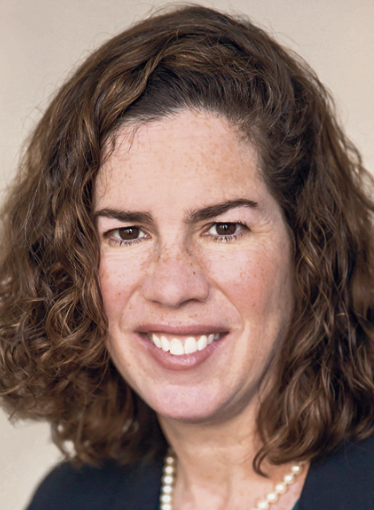
Julie Raskin and seven other parents of HI children co-founded Congenital Hyperinsulinism International, and Ms. Raskin is now its CEO. One of CHI’s major projects is to maintain a registry where families can share information about their children who have HI, their medical treatments, and their experiences. CHI’s data on more than 700 families has been a valuable resource for researchers studying medical treatments for HI.
According to the group’s website, congenitalHI.org, the organization focuses on research, support, and awareness.
Research involves compiling a registry where parents complete a survey — available in seven languages — that includes real-world evidence collected from patients. Patients use CGM — that’s continuous glucose managing; data from that monitoring is highly useful and informative. Many studies based on such data have been published in peer-reviewed journals, informing the medical community about effectiveness of treatments.
Support includes improving access to such devices as continuous glucose monitors, and to medical care and medications.
Awareness is about getting the medical community on board to test blood glucose in all newborns, to prevent the preventable brain damage and death that can occur in such newborns. Ms. Raskin noted that half the children born with this disease have brain damage. Awareness and early testing of blood sugar could reduce or eliminate that tragic outcome.
There are eight CHI Centers of Excellence worldwide that focus on HI. The U.S. centers are CHOP, where Ben was taken shortly after he was born, and Cook Children’s Hospital in Fort Worth, Texas.
“In 2003 CHOP asked us to help plan the first CHI conference,” Ms. Raskin said. “It was an incredible conference with experts from CHOP, Israel, and around the world. It has an international focus because it’s such a rare disease, and we need the best minds to come together.” The CHI advisory board includes experts from 12 countries.
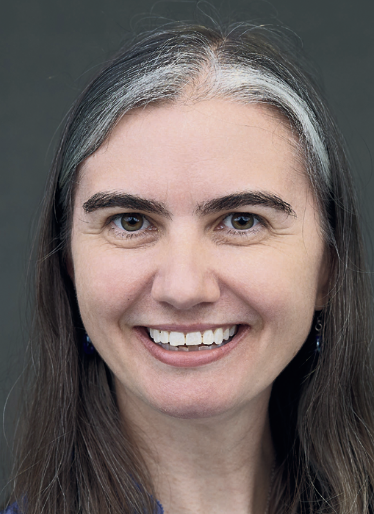
The science addressing HI has moved forward since Ben was born 30 years ago, Tai Pasquini, CHI’s chief research officer, said. “We’re moving in the right direction.” There is a high level of collaboration and interest in the HI community that includes “parents and caregivers, clinicians, nurses, researchers and adults living with the condition working together.”
“About half of the patients have an identified gene,” Dr. Pasquini continued. “There are more than 30 variants. A few countries have founder effects, with slightly higher incidence.” Populations with higher incidence include Turkey, Finland, and Ashkenazi Jews.
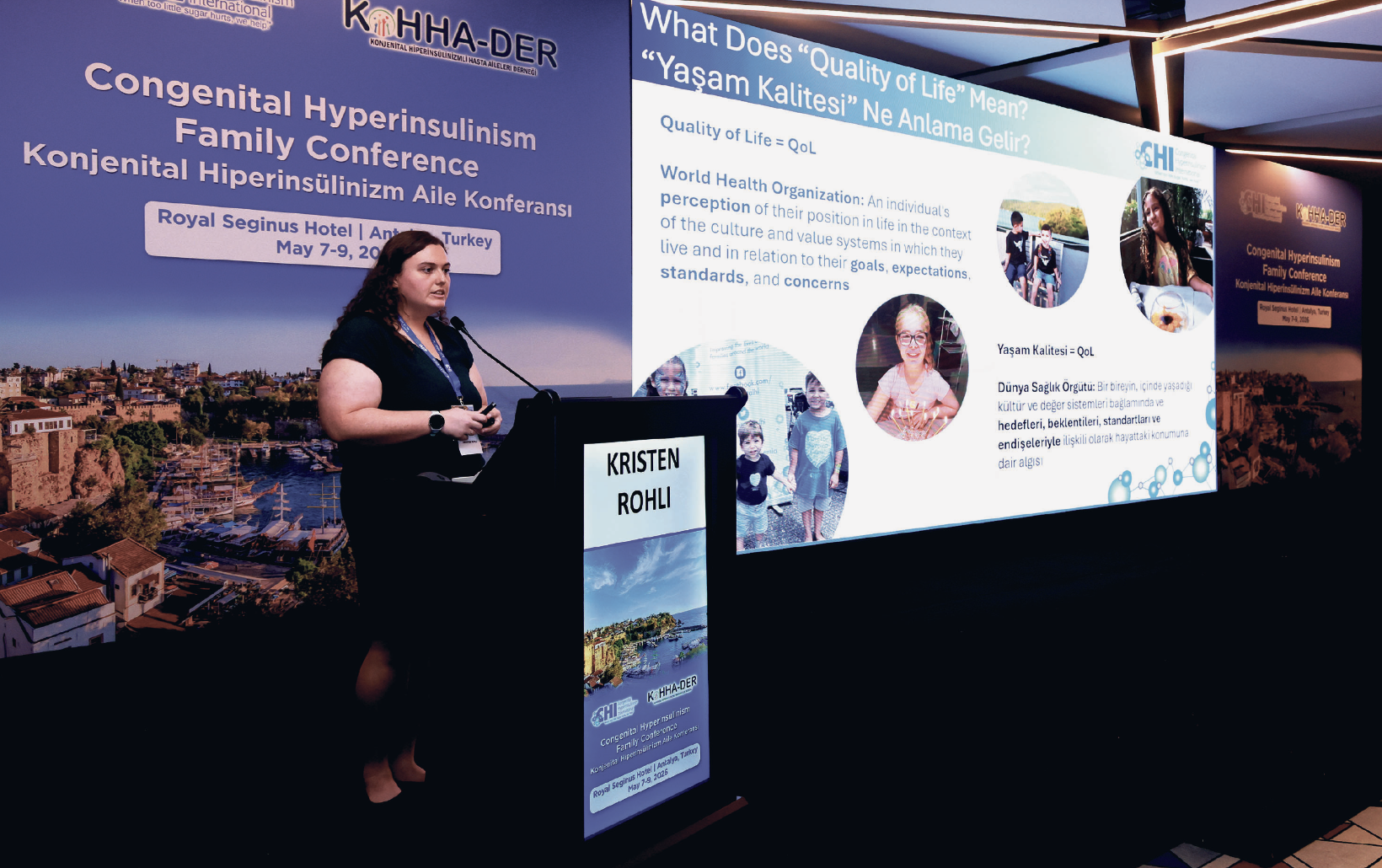
Because of the higher rate of HI in Turkey, CHI held its recent family conference in Antalya. CHI staff, doctors, HI specialists, family members, and researchers presented updates on the disease, and provided opportunities to network and connect with others in the CHI community.
Dr. Pasquini said that the disease crosses racial and ethnic groups, and a diverse population is affected. The CHI registry allows investigators to serve diverse groups. “We work with people in Mexico, Brazil, African American people, Hispanics, Europeans, people on every continent except Antarctica,” she said.
A higher incidence can occur because of the founder effect — when one ancestor with the genetic variant passes the variant to many descendants, who may pair up with each other and have children with the defect in later generations. In the Ashkenazi community a handful of ancestors, who were genetically segregated in Eastern Europe for hundreds of years as a religious community whose members rarely married out, had many descendants who are more likely to carry common variants of a number of genetic disorders. “The Ashkenazi Jewish population has ABCC8 and KCNJ11 variants for HI,” Dr. Pasquini said.
Biotechnology companies are trying to find more effective new treatments, she continued. Significant research is happening at the Denmark-based Zealand Pharmaceuticals, Hanmi Pharmaceutical in South Korea, and the U.S.-based Rezolute Pharmaceuticals. International companies have taken an interest because HI is found worldwide. These companies are working on drugs to counteract excessive insulin and monoclonal antibody treatments. Dr. Pasquini said that European Union researchers are working on photodynamic light therapy that may reduce activity of the problem cells, without the need for surgery.
“Early on, people with diffuse disease would get subtotal pancreatectomy, more than 95% of the pancreas,” she said. But those patients have other complications. “After pancreatectomy some still have hypoglycemia and need medication,” Dr. Pasquini said. “Others can develop diabetes. It can be the best treatment, but you are treating one disease for another. And It’s a very challenging form of diabetes.”
Ms. Raskin reported that In Europe and the United States, people with the disease generally have a pancreatectomy. “In Israel the parents didn’t want their kids’ bodies marred,” she said. “They took a conservative approach – no surgery. This meant that the babies had to stay in the hospital longer. That influenced care around the world. More babies didn’t have surgery.” The advantage is that later on there’s less of a chance for diabetes. “But the babies have to stay in the hospital for a very long time.”
Dr. Pasquini said that newborn testing has helped babies avoid complications. She talked about the heel-prick blood tests done on all newborns, which screens for PKU and other serious metabolic and hormonal disorders. Newborn screening varies from state to state, and the heel-prick test, which collects blood and preserves it as a dried blood spot, is useful but limited. For glucose tests, liquid blood would have to be used, which makes the process more complicated. Another concern with testing for HI is when to take the blood sample, as blood sugar can vary widely within the first few hours and days after birth. So timing is critical.
“There are so many reasons why every baby should be tested for hypoglycemia,” Dr. Pasquini said. “There is a case to be made for protecting brains from epilepsy, seizure disorders, ADHD, developmental delays. We know so little about when damage occurs.”
There is growing acceptance in the medical community for such testing. However, “there are concerns that individuals may have to stay in the hospital longer,” Dr. Pasquini said. “We need screening backed by evidence-based science. And we need to work with hematologists, midwives, nurses” to get the medical community on board.
Ms. Raskin said that she would like to see “every baby diagnosed before any brain damage. It’s completely preventable.” Parents need more support, she added. “I would like treatment that isn’t burdensome. Life
[in our families] revolves around the fear of hypoglycemia.” She is hopeful that one day there will be a cure that could fix the defect during pregnancy, before the baby is born.
She offered other goals, such as “equity in accessing new medications, timely diagnosis, and cures. Every family should feel supported. Every kid should have opportunities. I want compassionate care around the world. When people are connected to others going through the same thing, they feel so much better.”
June 7 has been designated Global Hyperinsulinism Awareness Day. This year, CHI’s website invites HI family members to “share 7 things about your journey with hyperinsulinism”, including personal experiences, “your child’s story… daily challenges… messages of hope, resiliency or advocacy.” The shared messages, photos, and videos will help people connect and provide support for members of the HI community.
See the Congenital Hyperinsulinism International website at Congenitalhi.org.. For information on Jewish genetic screening tests go to JScreen.org.