

‘Feelin’ Groovy’
How a song can unlock memories
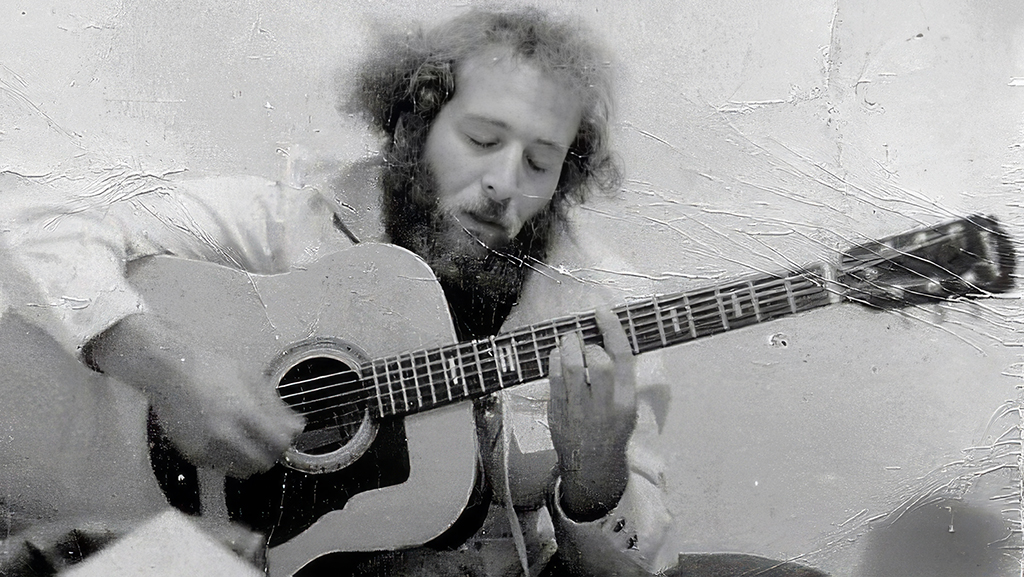
I was living in Barcelona in 1969, when Frank Fuchs and Andy Holiner, two friends of mine from Brooklyn, came to town.
I’m sure that each and every one of you has experienced this. The radio is playing some great rock n’ roll song from way back, and your mind races back to myriad memories.
I performed as a folk singer in almost all of the clubs in Greenwich Village in the early ’60s, so for me there are zillions of songs like that. Today, I heard one that brought a huge smile to my lips and then tears rolled down my face.
It was Simon and Garfunkel’s “The 59th Street Bridge Song.” Andy and I used to harmonize to many songs, but that one was one of our favorites.
Both Frank and Andy, who were in a band together, with a couple of other friends from Manhattan Beach, Brooklyn, made music their professions. They were very well known and respected in their circles.
Frank passed away from an insidious cancer in 2014, but he played with Cissy Houston’s band, while also working as a songwriter and producer. He produced both “Woody’s 20 Grow Big Songs” and “Daddy O Daddy,” highlighting his loving relationship with the Guthrie family.
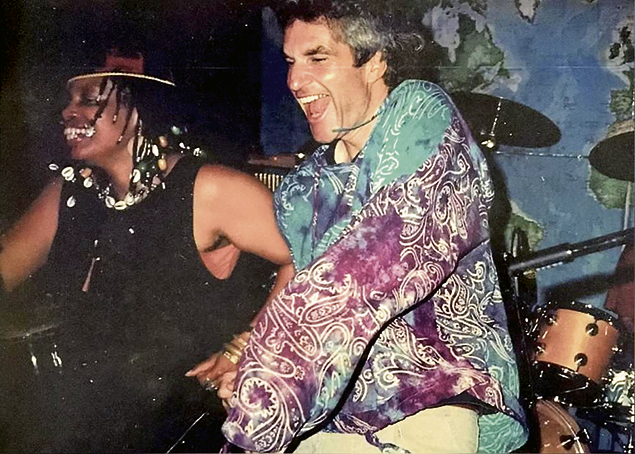
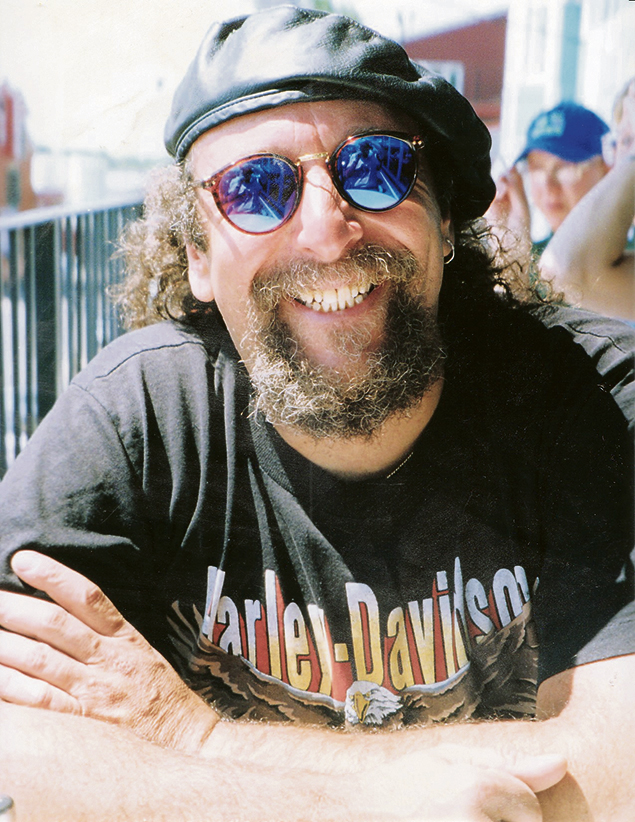 Andy and I shared a love from the moment we met. He and a friend, Alice, formed Wildest Dreams, the Boston-based worldbeat band, performing more than 1,000 gigs throughout New England and beyond.
His belief in the accessibility of music to all people was the cornerstone of his life’s work. Sadly, after suffering a long bout with depression, Andy took his own life on October 6, 2023.
So here I am on the Garden State Parkway, driving to shul for Sunday morning minyan, and “The 59th Street Bridge Song” (also known as “Feelin’ Groovy”) came on the radio.
Back to Barcelona, 1969.
There was lots of singing, all three of us played guitar, and we decided to rent motorcycles to take a few days ride down the Mediterranean coast.
We each took a sleeping bag with a change of clothes rolled up in it in case of rain. Frank strapped his guitar to the passenger seat, and off we rode. We headed west toward Sitges, a town about 40 kilometers southwest of Barcelona. What a gorgeous ride along the Mediterranean Sea it is! I sang “I Can See for Miles” by the Who and “On the Road Again” by Canned Heat. Andy joined in as we rode side by side.
The road started to rise along the cliffs, and as we looked to our left, we could see the sea getting farther and farther below us. We wanted to stop and marvel at the sight spread out below, but the road began to twist and turn and the trucks never stopped coming. We held on, at times knuckles blazing white, wondering whether the joy was worth the risk. It was, and we continued, albeit singing with a bit less volume, until the road descended to sea level.
We’d begun this trip in mid-afternoon, but by then the sun was beginning to set. We decided to find a place to camp for the night.
After searching the area for a few minutes, we came upon a beautiful clearing in the woods, parked the bikes, and started making camp. We dug a small pit where our fire would be. Then, while Frank gathered wood, hopefully enough to maintain a fire through the night, Andy and I rode into town for food.
This wasn’t Barcelona, it was a tiny village. (Dorothy’s line in “The Wizard of Oz,” “Toto, I’ve a feeling we’re not in Kansas anymore,” came to mind). There were no supermarkets there and no one spoke English, which made it an interesting shopping experience; neither Andy nor I spoke very much Spanish.
 Let’s see: plenty of beer, potato chips, eggs, potatoes, rolls, cake, chocolate spread (it’s like peanut butter, only chocolate), cheese, and salami; a veritable banquet, to be sure. They gave us a large cardboard box, helped secure the groceries to my bike, and waved goodbye.
It was dark back at the campsite, but the fire glowed, and we sat around singing, all the while marveling at the sky above us and our beautiful surroundings. A twig snapped in the woods, and as the three of us turned toward the sound we were surrounded.
I don’t remember there being more than six or seven of them, and the strains of “Dueling Banjos” (which wasn’t even published until 1972) echoed through the forest. Not only the hair on the back of my neck, but the hair on the hair on the back of my neck stood at attention.
“Ola,” they said. “Ola,” we replied in unison.
They sat down and we offered them our food and something to drink. It is considered impolite to refuse, so they accepted and we all sat around drinking, eating, and attempting conversation. Frank started playing some Spanish tunes, and we sang along or played impromptu drums.
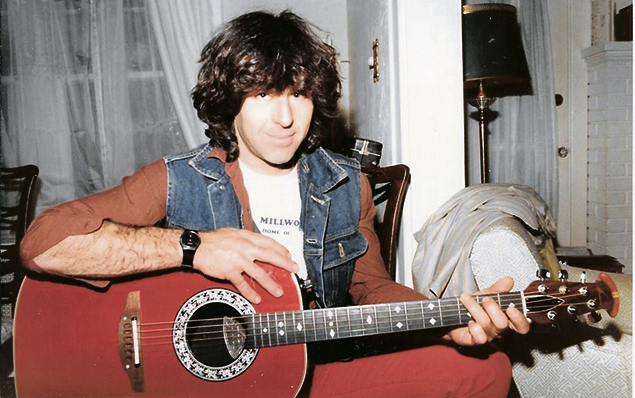
We had long finished our beer and most of the food we’d bought when three or four more men showed up, wheeling a cart behind them. They unloaded cases of beer, fruit, cakes, and a couple of their own instruments.
They tossed me one of the bottles of beer that they’d brought. Alas, there was no way of drinking it — we didn’t have an opener. “No te preocupes” — “don’t worry” — they said as they tossed the bottle to one of the guys. With a huge grin on his face, he opened the bottle with his teeth.
We were up pretty much all night, singing, drinking, talking, eating, and laughing until the men realized that their workday was beginning. So, with wonderful hugs and a huge adios, they left. We got an hour or two of sleep after they’d gone and rode back to Barcelona the next day.
It’s been more than 55 years since that adventure, and the most vivid picture still in my mind is of the gleam of our fire off the front teeth of the man who smiled as he opened my beer bottle. His teeth, you see, were gold.
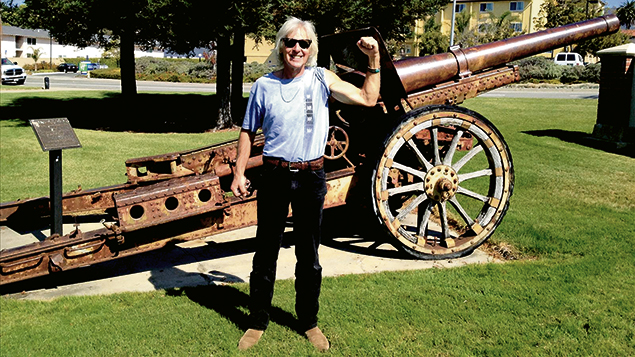 Back in our pension in Barcelona, six of us were sitting around, singing, when Frank came up with a lyric: “Travel on and in peace my brother, warm the faces not yet seen,” he sang.
“What do you think?” he asked. We loved it, so Andy threw out another line, and the two of them began to write a song. (Trust me, they wrote plenty of songs, but this one, for me, is the ultimate one.) I taught it when I was the music and drama counselor at Camp Kinderwelt in 1971, and I sang it to Rabbi Deborah Orenstein on her last erev Shabbat as rabbi at Congregation Bnai Israel.
“Friends,” by Frank Fuchs and Andy Holiner
Travel on and in peace my brother, warm the faces not yet seen,
leaving places, liking others, living somewhere in between.
Be a stream gently flowing, weave your patterns ’cross the land,
then stop that dream ’cause you know it’s growing, ever upward as you stand.
For it’s only to make a life for you, only to wake you up to life,
picking a road, follow’n it down to the end,
meeting new neighbors, greeting new friends.
Trains pull out just to leave you lonely, faces fade off down the track,
you wave your arms goodbye, your head is thinking-only, wondering when you will be back.
So, take your time, my brother, and do your living,
any way the next road goes,
for one thing found in tomorrow’s giving,
is that today just never knows.
For it’s only to make a life for you,
only to wake you up to your damn short sweet life,
picking a road, follow’n it down to the end,
meeting new neighbors greeting new friends.
My memories of moments like those are the history that made up my life and the way I try to live it.
May your roads open your hearts to new adventures every minute you have been granted on this Earth.
© Frank Fuchs & Andy Holiner “All Rights Reserved.”