

Just answering questions
An Israeli-American writer describes getting mail from back home
[EDITOR’S NOTE: Mark Ginsberg, who lives in Israel, wrote in response to — and in affirmation of — “My new life as a lightning rod,” published in the September 4 issue of this paper. How did he find it? “I follow the Standard closely since I write for the Times of Israel and your platform carries its pieces there, and Bob’s essay made the rounds among Jewish writers pretty quickly,” he said. “It’s the kind of piece a working writer forwards to another working writer.]
Bob Brody wrote recently in these pages about becoming a lightning rod, about what it feels like to write about Jews online and catch the weather that follows. His essay struck a nerve with me, since I get that mail too.
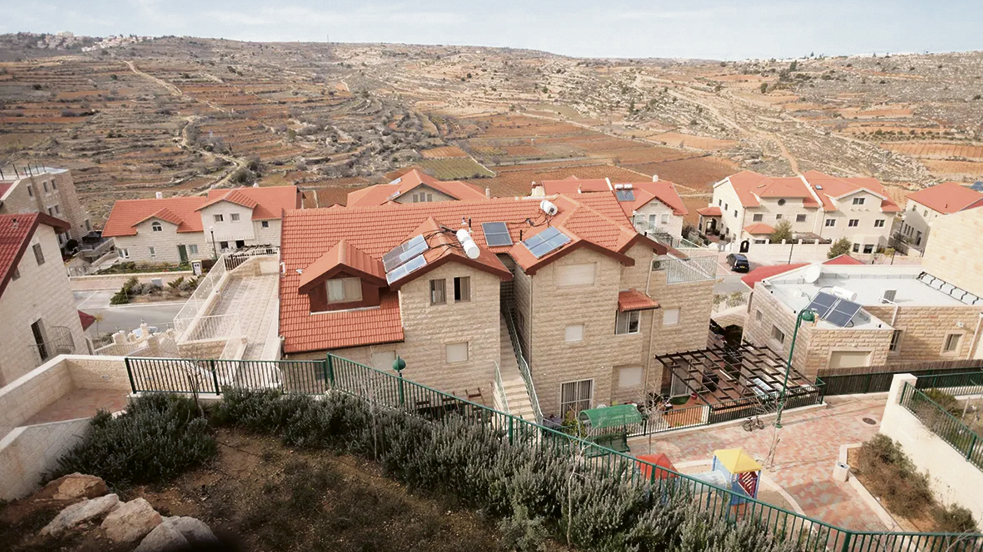
But from this end of the inbox, in Efrat, the letters that changed after October 7 were not the hostile ones. They were the anxious ones. What changed was the questions.
The Inbox, Before and After
Before the war, readers of my writing mostly asked the questions of a travel brochure with better manners: where to eat, which hill town deserves a full day, whether summer is a mistake. Some asked about politics, the way you ask a local about weather, politely and without urgency. After October 7, the temperature of the inbox changed overnight. Is your family safe, people who had never written before asked me. Should my daughter still do her gap year there? My son will not wear his Star of Israel necklace to campus — what do I tell him? My congregation is fighting about you, whose side are you actually on? And quietly, from more addresses than you would guess: is it time to come home, and would we be wanted?
I keep a folder for these now, which is its own small monument. Some weeks it holds three letters, some weeks 30. The gap-year question deserves its own shelf: parents who schedule the call between their meetings, apologizing for taking my time, wanting to know whether the campus their daughter chose is the one they saw on the news. I tell them what I can — that the dorms are loud and ordinary; that the cafeteria arguments are about parking, like they are everywhere else — and I watch them decide, on the strength of one stranger’s email, which way a family’s year will bend.
It is a strange power and I try to use it carefully.
The Hardest Question
The hardest question is the shortest one: what is it like? Four words that cannot be answered honestly in fewer than a thousand, since the truth is that it is like grief and gratitude sharing a small apartment, like a country arguing with itself at full volume and holding the door for its returning sons. When communities absorb a blow, the whole country shows up in one form or another, and the showing up is the closest thing to an answer I have found. I answer the question asked, add one true detail, and sign my name.
The detail carries more than the essay would.
Lately the letters have begun to change again, and I cannot quite tell what to make of it. Fewer of the panicked ones, more of the practical: how does the health system work, is it true about the tax benefits for new immigrants, does a 58-year-old lawyer find work? The anxiety is curdling into something that looks suspiciously like planning.
Why I Keep Answering
Brody keeps writing through the lightning, and I keep answering through the worry, and I think the job is the same one.
Every anxious question is a person deciding what they believe about Israel and their own place in the Jewish story, and if the answer arrives only from the algorithms, it will be made of slogans. A real letter from a real person in the Judean hills, with a name attached, is the smallest possible antidote and the only one that scales one inbox at a time. The questions American Jewish readers send me are the sound of a family still talking to each other. The day the inbox goes quiet, with hate or with worry, is the day to worry. Until then I will keep answering, and I suspect Bob will keep writing, and that is how a people holds its roof up in a storm.
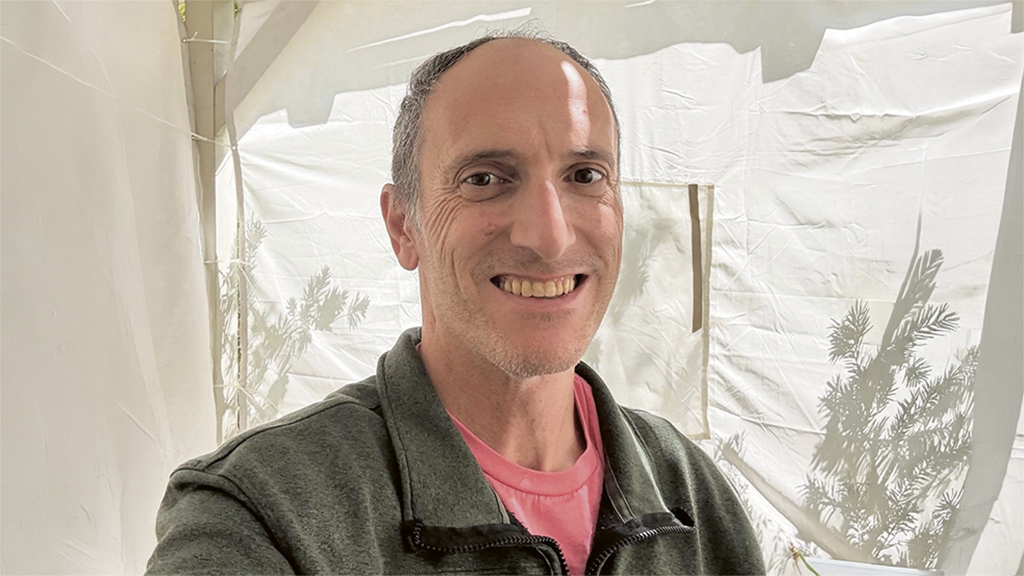
Mark Ginsberg is an American-Israeli writer based in Efrat, covering Israeli society, technology and security. He writes for the Times of Israel, and his recent analysis has appeared in Breaking Defense.