

Ain’t life grand!
A proud grandmother thinks about what family means
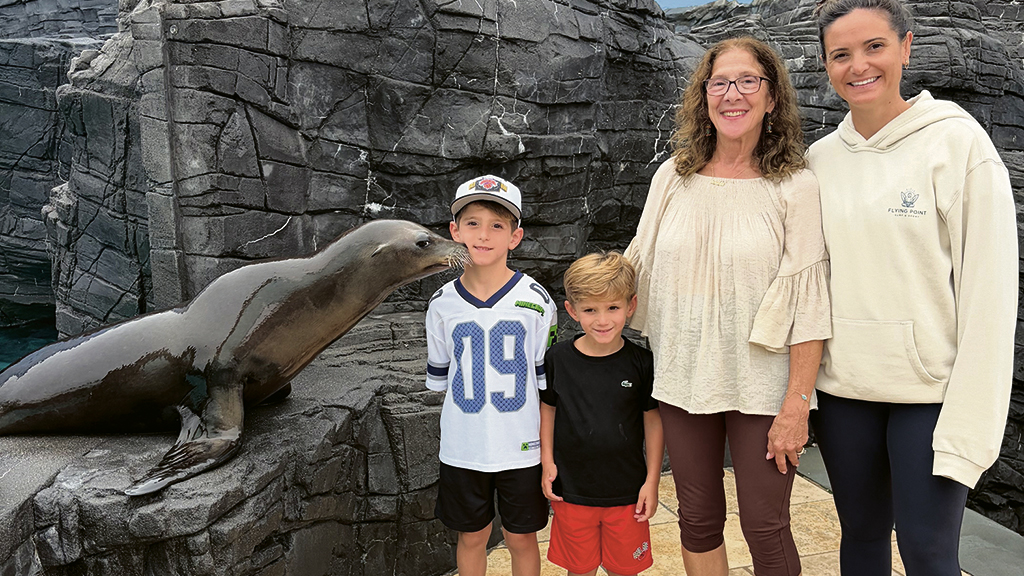
As we all know, the word “grand” means big in stature or impact. To me, being a grandparent fits that description perfectly.
Having children opens your heart in inconceivable ways. When they are all grown up, parents can reflect on the job they did raising them, both the good and the bad. If parents are then blessed to have grandchildren, that is a unique experience. To see your baby’s baby is truly beyond words. Each grandchild enriches the sense of family history and continuity, creating new moments and memories.
My first thought about becoming a grandparent someday came while visiting my in-laws, who had moved to Florida early in our marriage. Taking the elevator up to their apartment, I heard one grandmother say to the other: “The two best days of the year are when my daughter’s family arrives and the day they fly home.” I was mortified. I wondered if my own grandparents ever felt that way about us. I doubt it. I remember thinking, “If I ever became a grandparent, that would never be me!”
My own experiences with my maternal grandparents, shared with my older brother, sister, and cousins, were happy ones. When I was 5 years old, we moved from the Bronx to Paramus, which boasted farms within walking distance — but back then, there were no shopping centers. We would shuttle back and forth to New York almost every weekend. When my grandparents took the bus to see us, we all ran to greet them; they were always toting large brown paper bags filled with bagels, bialys, cookies, cakes, and Hershey bars.
Nanny stood very tall at 4’ 11.” She was sweet in disposition but formidable in doing things her own way. When I was growing up, the conventional image of a “grandma” was an old lady in an apron preparing homemade delicacies. When Nanny and Grandpa had the family over, however, there was no homemade chicken soup or brisket. Rather, Nanny would take out her pad and golf-size pencil and ask, “What would you kids like today? Deli? Bagels? Chinese?” She carefully wrote down each order and the fantastic part was we could have whatever we wanted!
So if we chose deli, we could order a corned beef sandwich, a hot dog with mustard and sauerkraut, a knish, coleslaw, and a Dr. Brown soda to wash it all down. Despite my mom’s protests, Nanny would give her a sideward glance and continue taking our orders. Black-and-white cookies followed and her candy dish was always filled with Hershey’s miniatures, which still remind me of her.
My father’s parents were another story. As my father used to tell it, they disliked him from the day he was born, supposedly because he was not a “good-looking baby,” calling him a mieskeit — Yiddish for ugly. They were cold to him as he was growing up and favored their second son, who was supposedly a cuter baby.
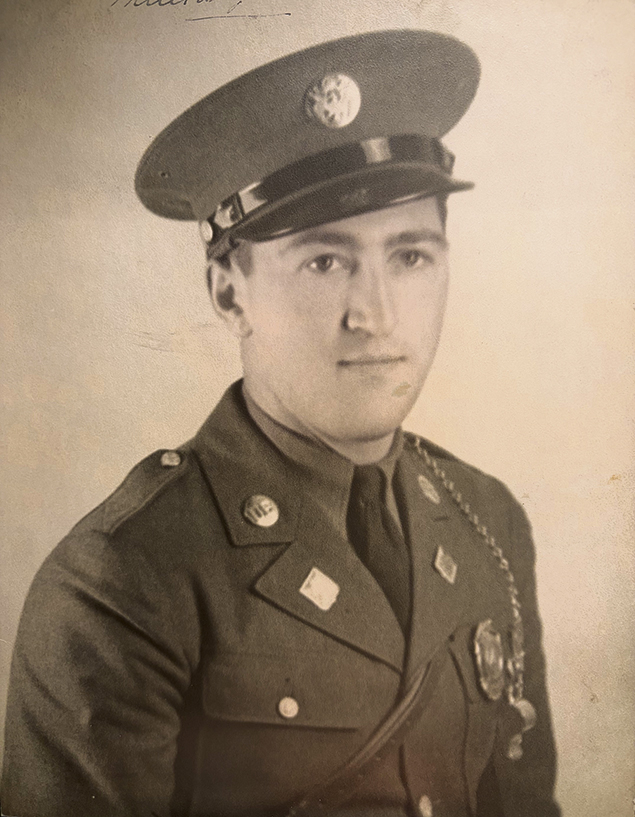
Despite that treatment, my dad grew up to be a ruggedly handsome and kind man, who was determined to find a “good woman” and raise a family of his own — which he eventually did. But first, during World War II, when he was 18, he enlisted in the army, largely to escape his home life. In full army uniform, he strolled by his mother in the park. When she asked, “Harold, what did you do?” he simply said it was time for him to get out and live life his way.
There were lessons we learned from my father’s parents: never show favoritism and treat our children with love and respect.
I have said many times that my parents were special. They made us self-sufficient and built our confidence so we grew up believing we could accomplish anything. They shaped our values, with a strong sense of giving back to others.
While Nanny never taught any of us how to cook, my mom was very adept in the kitchen; her stuffed cabbage, chopped liver, veal, stews, and soups were second to none. I developed my love of cooking from her and my sister.
Once we had our own family, we prioritized family time together — day trips, countless baseball and football games, summers on our boat, skiing and tubing with our kids’ friends. That was our norm. Our boys learned the traditions and values our parents embodied. We instilled in them the knowledge that we would always have their backs. When they started their own families, the arrival of each grandchild was truly a gift from God. We would all question who the baby resembled in appearance and behavior. What joy!
When the grandkids visit our house, they each have their favorite toys and activities, as well as special homemade dishes and desserts that they prefer. From dolls to Matchbox cars, board games to Legos, we always tell them how important, special and loved they are.
Our younger son’s wife comes from a different background — her family is Cuban and Catholic. As we grew closer, it became clear our values were more similar than we might have thought. They embody the importance of family, traditions, and respect for everyone. We did our best to meld into one larger family, celebrating each others’ holidays together.
One telling sign of our commonalities occurred when my Cuban machatunim — my in-laws — came to our house for Passover. My son’s mother-in-law was wearing a hamsa necklace. So was I! We were both surprised, and we questioned each other about what the necklace meant to us. We were both wearing it for the same traditional reasons — because it is said to ward off the evil eye and block negative energy.
Later on, when the wedding planning began, I found a ketubah — a Jewish marriage contract — with a beautiful hamsa design. It resonated for everyone.
As the years fly by, we see the impact grandparents can have on their grandchildren. We give them unconditional love and a deepened sense of belonging; in return, they give us renewed purpose and a different kind of love.
With the lure of technology and the activities that increasingly take up their attention, we try to make the most of the time we and our grandchildren spend together. For them to thrive in this challenging and sometimes divisive world, we know we need to encourage them to be kind, do good deeds, and be open-minded about all the different kinds of people they encounter.
We pray their world can still be a better place if they and future generations look for and celebrate their commonalities rather than focus on their differences.
Debra Mazon of Emerson is the chair of Hadassah American Affairs Advocacy and a member of the Hadassah Writers’ Circle, a dynamic and diverse writing group for leaders and members to express their thoughts and feelings about all the things Hadassah does to make the world a better place.