

Jerusalem
Photographer Sharon Gabay talks about his new book
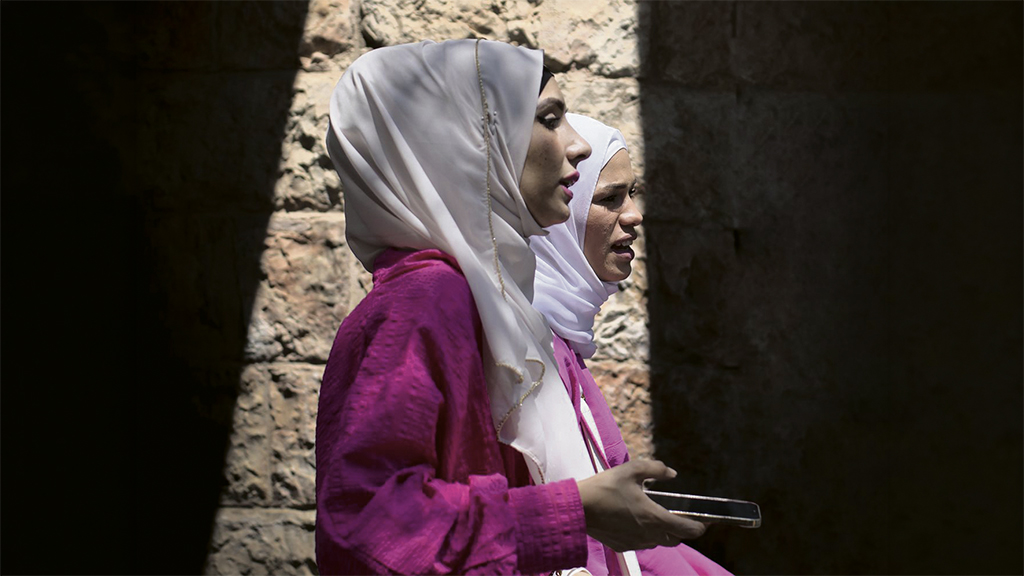
If every person is a world, as our tradition tells us, then a city is filled with so many worlds that it’s impossible to imagine all those rubbing-together universes.
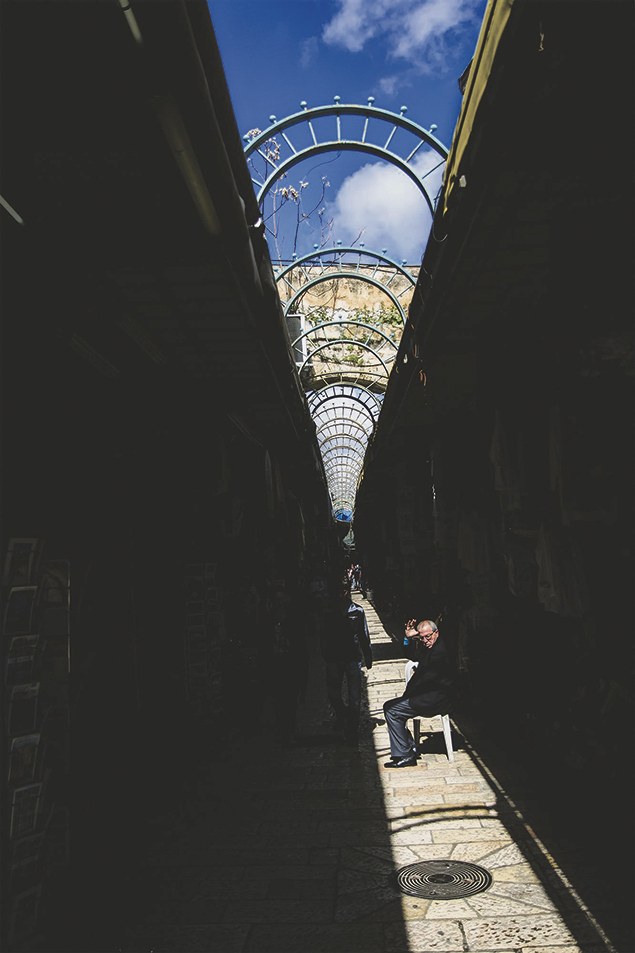
That’s particularly true of Jerusalem, one of the world’s oldest cities, at just about 5,000 years old, give or take; a recent demographic study, done in 2026, estimates its population at around 1,181,760. It has grown remarkably quickly; maybe people are drawn by its ancient, stony beauty, or by the history and other-worldliness that shimmers around it, or by the vibrant, modern cacophony of its diverse residents.
For the last 15 years, Sharon Gabay, a highly successful professional photographer whose bread-and-butter is stunning headshots, party pictures, and portraits of politicians and other social and legal strivers, has wandered through the city, just looking and taking pictures. He’s a 15th-generation Yerushalmi, and although now he lives in the Judean hills, in Moshav Nes Harim, near Ein Kerem and Beit Shemesh, he goes to Jerusalem every week to photograph what he sees.
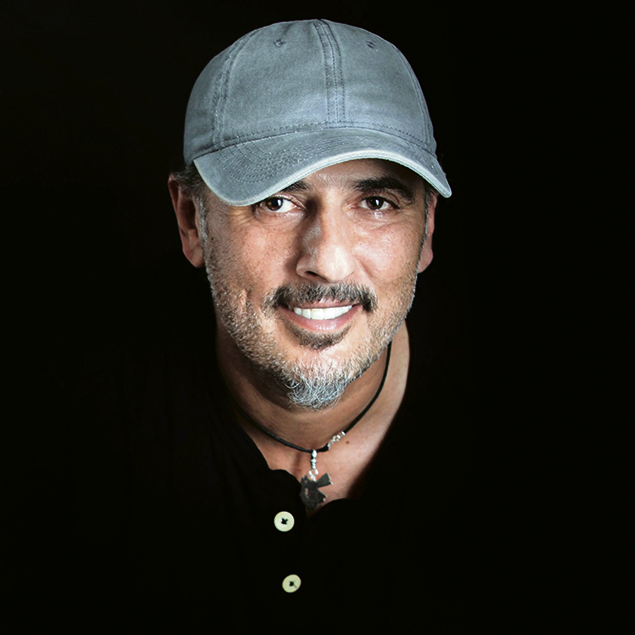
He’s published six books of photography about Jerusalem. All are both beautiful and emotional. The most recent of them, “Jerusalemites,” is the newest and perhaps the most emotional, created with love, gestated in fear, and now born into a world that perhaps surprisingly radiates with hope.
 Okay. What could that possibly mean?
It means that on October 11, 2023, Mr. Gabay went to Kfar Aza. “Everybody who could do anything did something, and I wanted to do something too,” he said. Some kind of response to the barbarism and terror and grief of the Hamas attack. Kfar Aza, one of the southernmost kibbutzim in Israel, was one of the hardest hit. “Because I am a documentary photographer, I asked to join Zaka,” Israel’s emergency response, rescue, and recovery nonprofit organization, “the first time they went in. I went in with them.
 “I took pictures. I had two exhibitions using these pictures” — one of them “Holocaust in the Village,” is online — “but it hurt my mind. It was a trauma for me. And I didn’t touch my camera for two years. I just stayed in my studio in Nes Harim, taking psychiatry pills and trying to forget what I saw.
 “And during this time I decided to make this book. I sat on it for two years, just learning how to do it effectively.
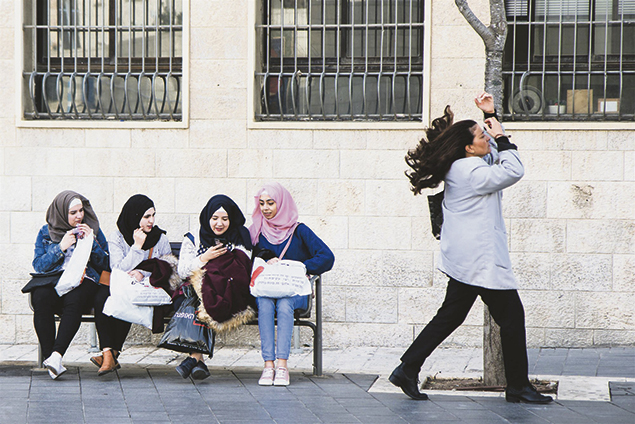
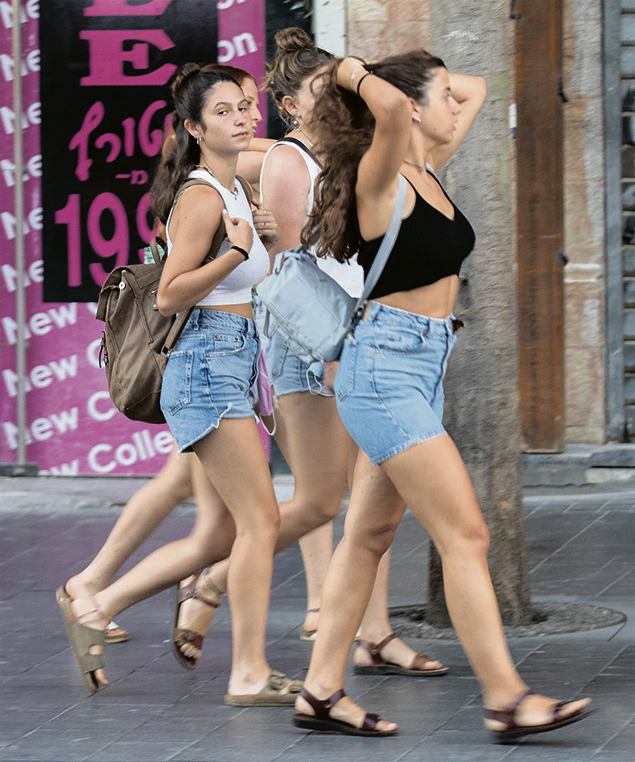
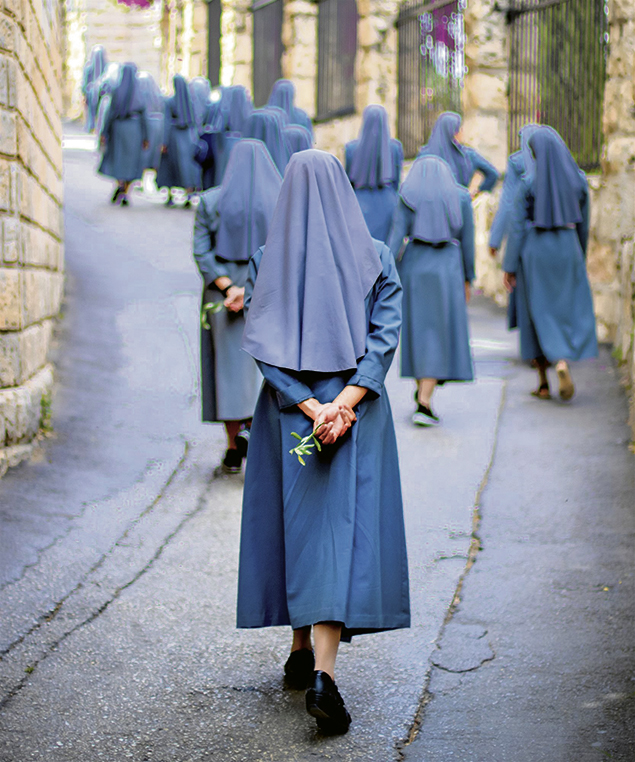
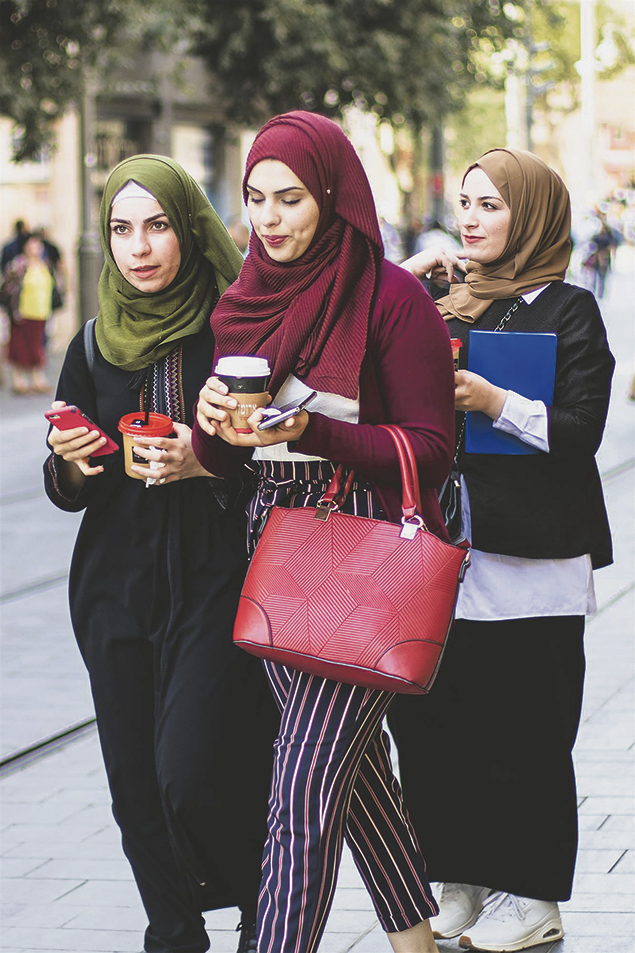 “There are almost no words in this book. Only pictures. And this is the message: We all live together 99 percent of the time. What the world sees about Jerusalem in the news is what happens maybe three or four percent of the time. All the rest of the time, all 99 percent of the people, other people around the world don’t know about. So I decided to make this book.
“The little text that I do have is in three languages — Hebrew, English, and Arabic. The languages spoken by the people of Jerusalem.”
 The small number of Hebrew words in the text are written in a font created from the handwriting of Aner Shapira, who was 22 when he went to the Nova music festival in southern Israel on Simchat Torah — October 7, 2023. He took cover in a shelter with a group of other young Israelis, and he saved many of their lives by throwing seven explosive grenades that Hamas operatives threw into the shelter back out at the terrorists. The eighth exploded in his hand and killed him.
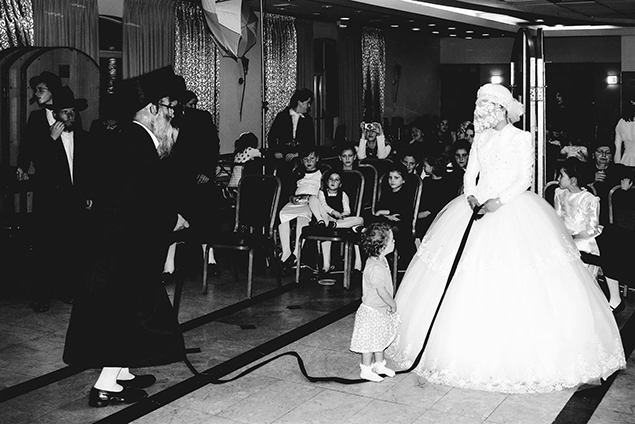 When Aner died, “he left behind a lot of songs that he wrote. They took his handwriting and made a font of it, and I chose to use it for the text.
“He was a Yerushalmi and he loved the city. He wrote about the diversity inside the city, and how you can see everything there. So I decided to put the text in his handwriting as a memorial to him.”
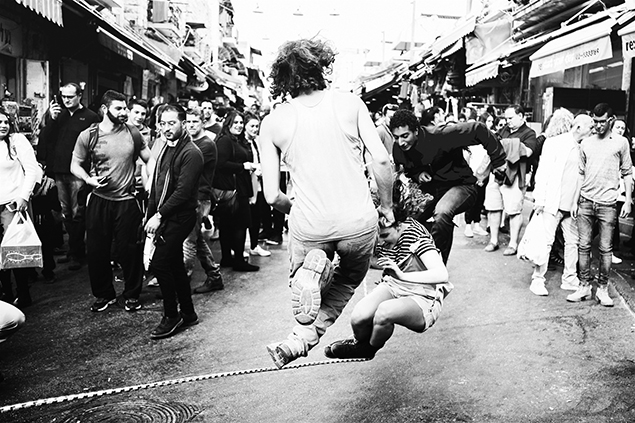 When he began to make the book, Mr. Gabay had to look through the enormous archive he’d created. For 15 years he’s roamed the city. His camera is small, old, and unthreatening, a beaten-up Fuji with a visible crack on the case. He takes pictures unobtrusively, he said. He doesn’t ask permission. He just shoots. Usually people don’t even know they’ve been photographed. Sometimes they come across pictures of themselves in his work, and sometimes they email or message him, asking for a copy. Of course, he said, he always sends one.
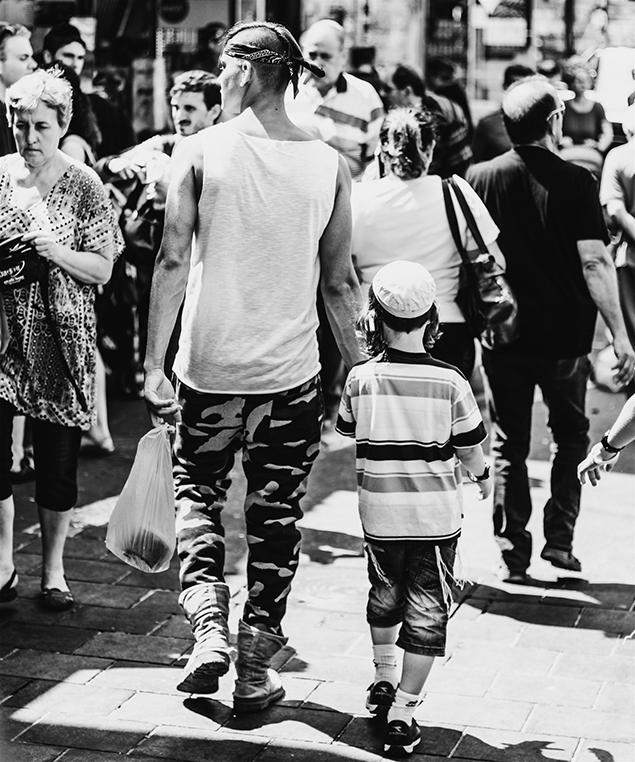 Culling his vast collection of images was not easy, Mr. Gabay said. Putting it together “made me go out on the streets again.” The vast majority of the photos in the book were taken before October 7, but he took some later, to fill in logical gaps. Even now, with the book finished, he wanders the city’s streets one day every week, camera in hand.
As he prepared the book, he winnowed the vast library of images to 2,000, and from there he whittled it down to 300. For that first cull, “I went through them one by one, me and my cat, hiding from the missiles when they came in, because this is the Middle East. I did it day by day by day by day, until I managed to take it from one and a half million to 2,000.”
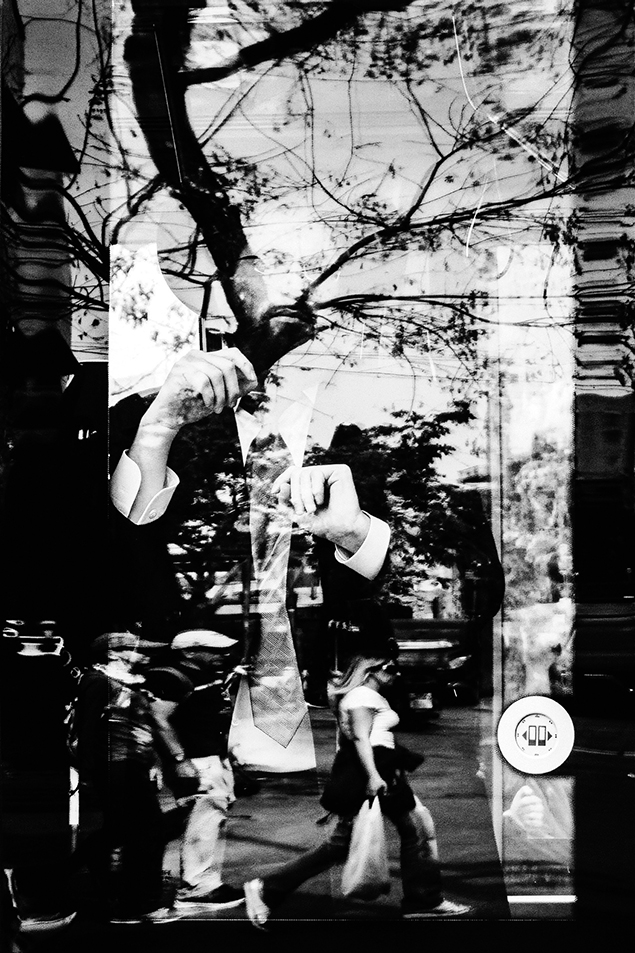
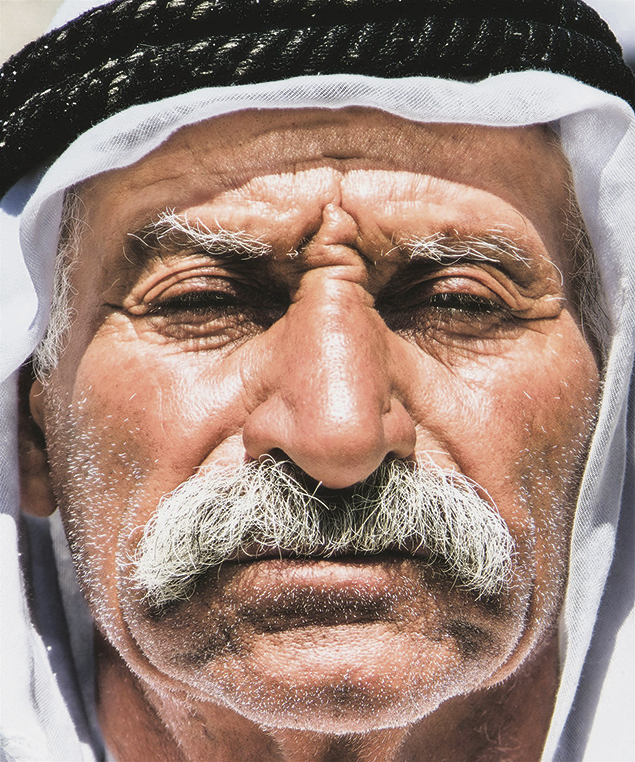 The second selection process “was much easier, because by then I knew how I wanted to do it. It is not a random collection of pictures. It is a story, from beginning to end; it is the long story of a city. So there is always a connection from each picture to the picture before and the picture after. But this took a long time.”
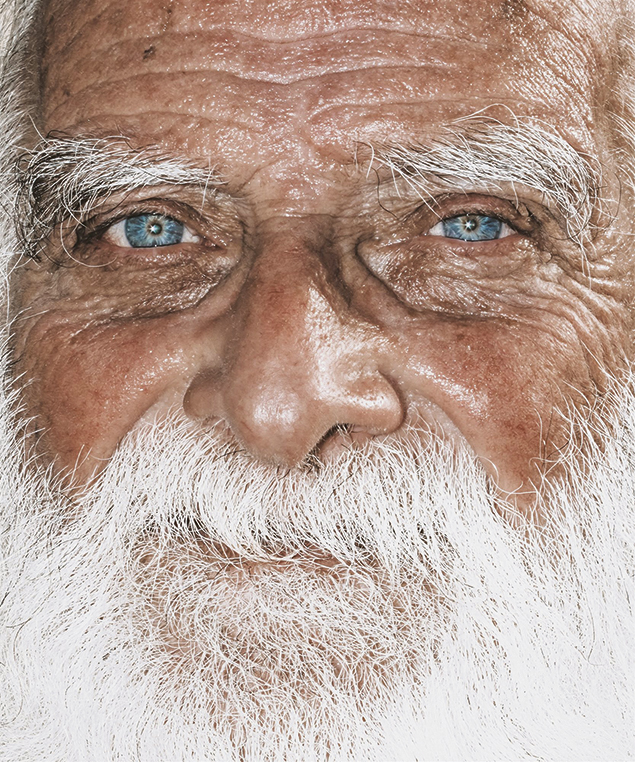 “The book turned out to be very successful. I sold all the copies before I launched it. One museum in Israel took 1,000 copies. It got to Herzog”— Israeli President Isaac Herzog —“and Huckabee” — Mike Huckabee is the U.S. ambassador to Israel — “and they both wrote letters about the book.
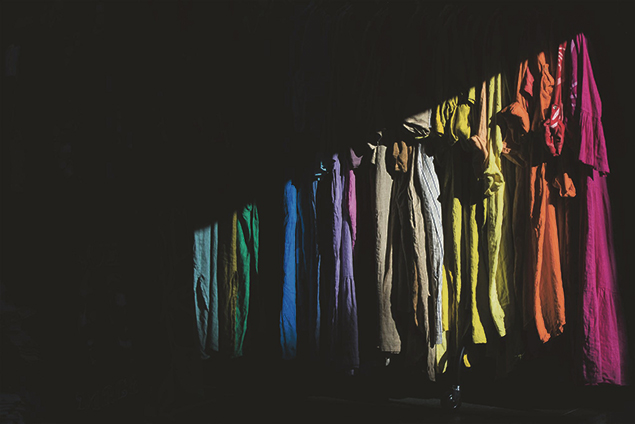 “Now I am working on the second edition. I want to distribute it to all the Jewish communities and Christian communities and Muslim communities that don’t hate us. There are no politics in this book. It is just people. The background to the pictures is all black because the only light we have in Jerusalem is the people.”
His message, Mr. Gabay said, is that “Jerusalem is not an apartheid city. Everyone lives here.
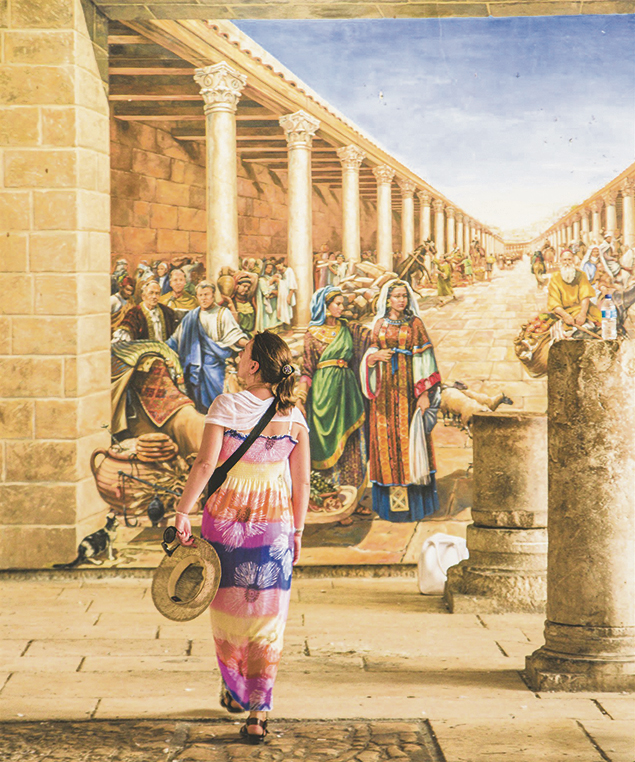 “I was raised in Jerusalem,” he said. “When we were little, my friends and I went to the Muslim quarter. Nothing happened. Once in a while there’d be some trouble, but most of the time we lived together with no trouble. My family has been here for more than 300 years. I have a picture of my great-great-grandpa in the Old City of Jerusalem. We are connected to the city, all my family is, and we really love it.
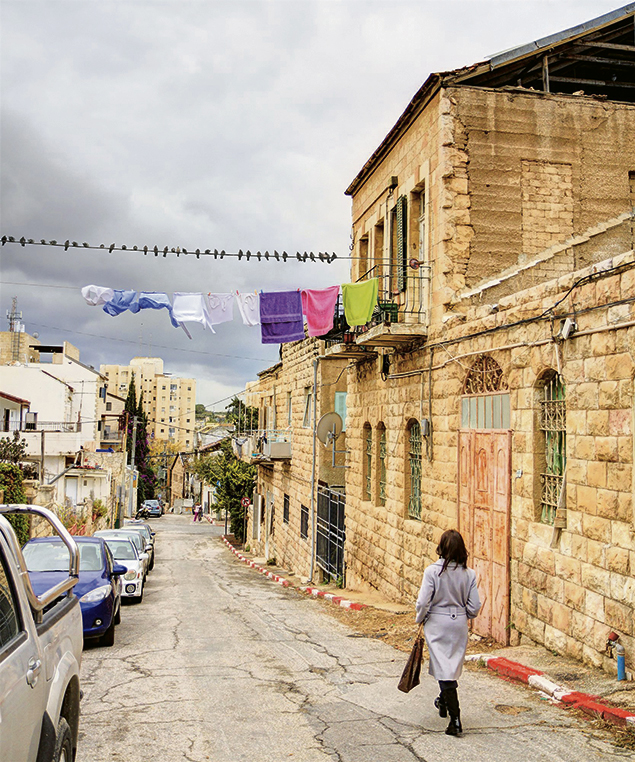 “Jerusalem should have tourists the way Vatican City does. People don’t come to Jerusalem.” His attempt to cure that problem is to show the city’s glories on social media. “I have more than 100,000 followers, and they are from all over the world,” he said. “I have Iranian followers and Saudi followers. Suddenly they see the city and they are surprised. They want to come to visit. They all of a sudden see that if they come here, they won’t be arrested because they are Muslim.
“I want to dedicate my work to telling the truth about Jerusalem.”
 Mr. Gabay still takes pictures in Jerusalem because “I always go out to see if there is something new, because there is always something new to take pictures of in Jerusalem.”
 He also takes pictures of politicians, and that’s a particularly busy area now because of the Israeli election set for October 27. “Today I had a member of the Knesset from Ram, the Muslim party. Mansour Abbas’s party. They want to participate in Israeli politics. They say, ‘We have a life here, and we want to live.’ And on the other side, I did a lot of people from the government we have now. Which, you know, is not the best government we’ve ever had.
“I tell them to their faces what I’m thinking. They know me. They know that I have a big mouth, and that I never, ever lie. So every politician from every side, even the one who was here today, sees the book. And I’ve never had anyone ever say that it’s one-sided or that it doesn’t tell the truth. It’s about all the tribes of Israel.
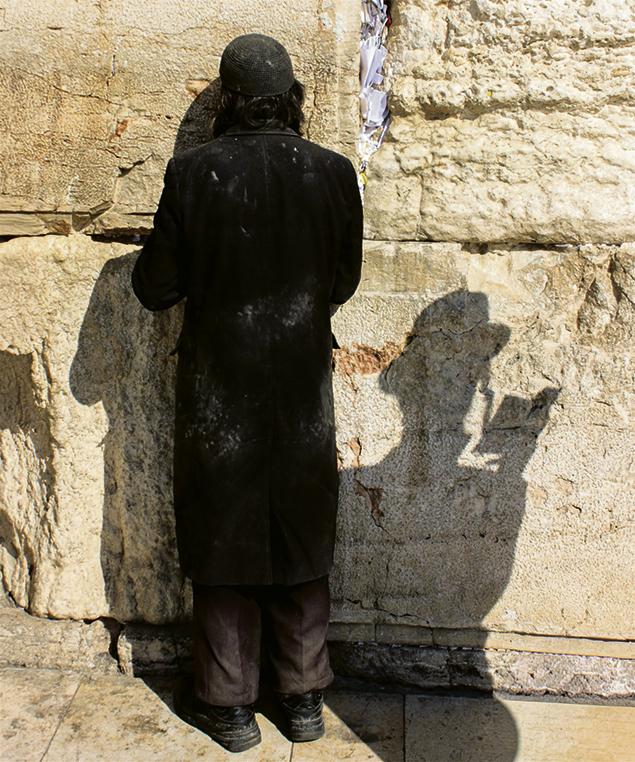 “I’ve put all my knowledge about Jerusalem and its people in the book, and I try to bring in exactly what happens in real life. I don’t try to stage anything. I am a viewer. I come. I see. I take a picture, and I save it. And people can see what life is like in Jerusalem.
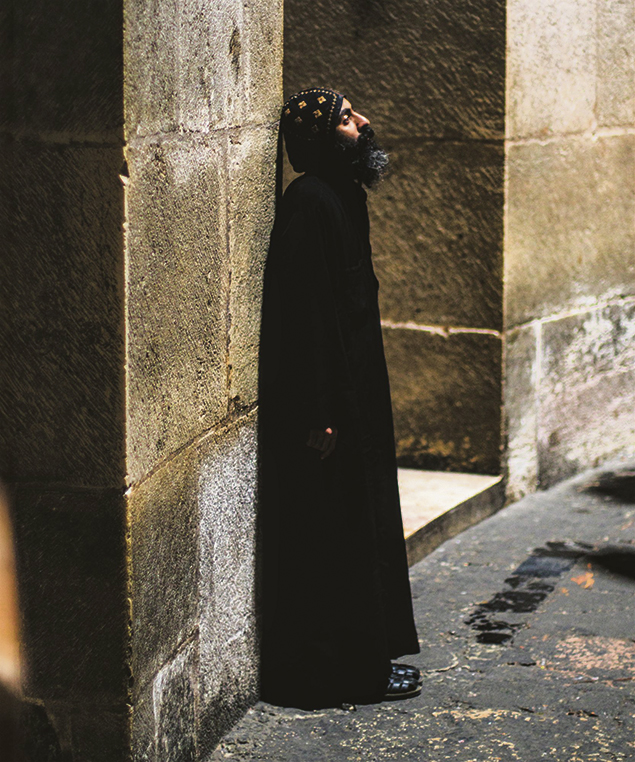 Mr. Gabay also spends a great deal of time doing pro bono work. He takes photos for “At Eye Level,” a nonprofit that works with people with autism. His website showcases much of who he is and what he does; readers can learn more about his book here.
“This book, ‘Jerusalemites,’ is about hope,” he said. “It tells people around the world that what you know about Jerusalem isn’t right. We live together, day by day, all of us, everyone. Yes, we have been at war for three years, but Jerusalem is still vibrating.
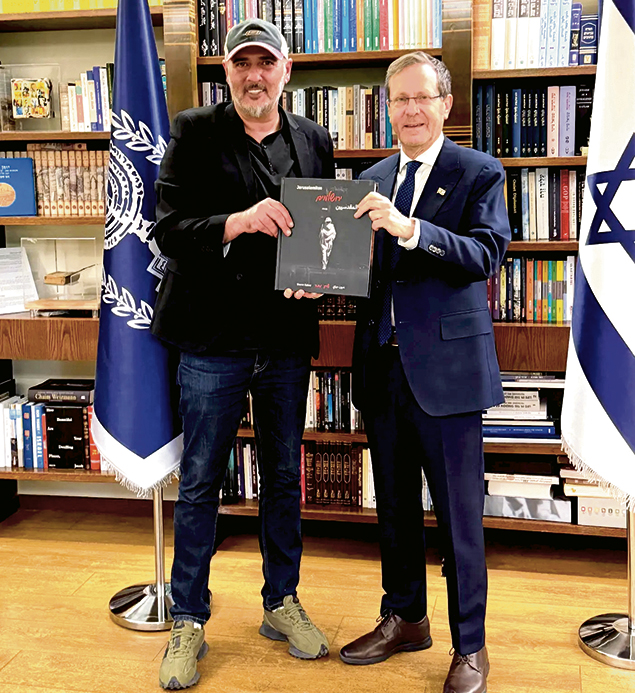
“Jerusalem is a hope that if you let people just live, they can live together, and they can make it a great city.”