

A letter from Sasa
Kibbutz on the Lebanon border tries to thrive under fire
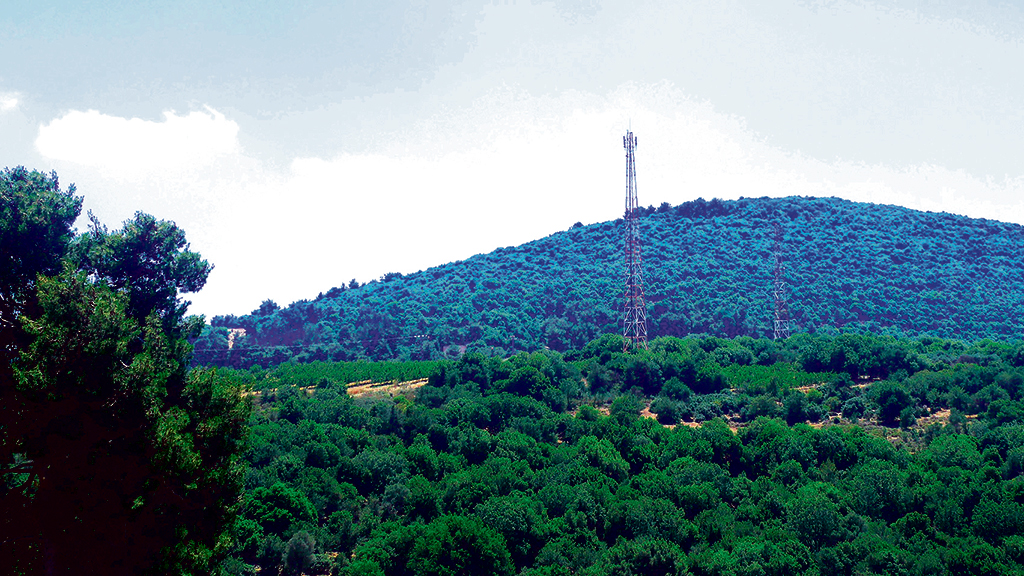
“And then” said Cousin Leah, looking outside her kitchen window, “the two rockets exploded. Right here, in the orchard you see near the house. There was a thud, as smoke and debris filled the air.
“I was frozen in fear. We do have a safe room in the house, but it is all the way in the back. It was useless. The next thing I heard were the air raid sirens. Too late of course. And then my husband called from the office, asking whether I had heard the sirens. I said I did not need to. I saw the rockets land just outside the house”.
This story that my cousin told me as we looked at the orchards and hills from her kitchen window shows the dilemma that confronts Israelis who live on the country’s northern border. Rockets from Lebanon can explode in their backyards with virtually no warning; further south, people have at least a few minutes to find shelter.
Sasa is a prosperous kibbutz. It is nestled in green hills that are more reminiscent of Europe than of Israel, which goes dusty and yellow in the summertime. It has gorgeous sunsets framed between the mountains and a dry, cool climate, the envy of those of us who come from the sweltering humidity of Tel Aviv.
Leah was born in Israel, but her husband Mark (Vico) made aliya from Switzerland in the 1970s. They have been in the kibbutz for more than 50 years and have raised their four children here.
The kibbutz’s beautiful homes, its pine trees and colorfully flowering bushes are the result of decades of hard work. It’s also home to several successful ventures. One of those ventures, Plasan, is a world leader in the production of armored vehicles and other protection systems, with more than 700 employees in Israel, the United States, and France, and sales to defense forces of Israel, the United States, India, and other countries.
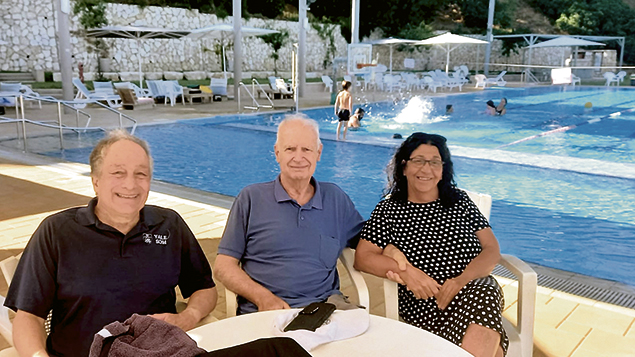
I had a great lunch in the communal dining room, which serves breakfast and lunch and offers choices fit for a major hotel. I enjoyed the pristine pool, overlooking the mountains and valleys below.
On October 7, 2023, the illusion of Sasa as a European resort was rudely shattered.
Most residents were evacuated from their idyllic homes on October 8; only core employees in Plasan and other kibbutz members whose roles were deemed essential were allowed to stay. Vico and Leah left hastily, with just a couple of suitcases. They spent the next 17 months in a Jerusalem hotel. “I had promised Leah for years that we would take a vacation in a hotel together, but I did not intend for this to go on for that long,” Vico joked.
They went back in March 2025. Their old home faced Lebanon and Hezbollah. In earlier visits, before October 7, Leah had shown me the flickering lights of the Lebanese villages nearby. Their newly constructed home faces Israel.
But no matter which way their homes had faced, many kibbutz members say they had heard Hezbollah digging tunnels. After Israel moved into southern Lebanon this year, the IDF was able to confirm that Hezbollah did dig tunnels, supporting an operational plan to move south and take over the Northern Galilee, including Sasa. And during the ceasefire announced earlier this year, rockets kept coming across the border.
A day after my visit, Israel and Lebanon signed a peace deal. But Leah texted me about explosions that night, and Israeli news media reported more Israeli casualties in the never-ending war in southern Lebanon.
Before October 7, residents of Sasa had faith in the the IDF, the strongest military in the Middle East, when it told them that they were well protected, in spite of the thousands of rockets trained at them from just across the border. Now they feel that they had been just a small step away from a much greater massacre than October 7.
The future does not look very promising either. An endless war in southern Lebanon is quite a daunting prospect. Those of us old enough remember the first and second Lebanon wars, first in the 1980s and again earlier this century, with their inconclusive endings, can suggest extreme caution in prosecuting such endeavors. But for Sasa residents, a shaky peace may feel like just another opportunity for Hezbollah to re-arm in preparation for carrying out its master plan.
Some young people from the local kibbutzim and towns near Israel’s northern border have left the area. The last of Leah and Vico’s children to stay living locally left recently with her family; now all four kids and their families live in other parts of Israel. As we strolled in the idyllic walkways around the kibbutz, Leah kept noting the nearest shelter, just in case.
For the residents of Sasa, real peace will come when they do not need to do this anymore.
Dr. S. Abraham Ravid of Leonia is the Sy Syms Professor at the Sy Syms School of Business at Yeshiva University. Before receiving his Ph.D. at Cornell, Dr. Ravid worked as a radio journalist and served in the IDF, including during the Yom Kippur War.